PRECISION CASTING
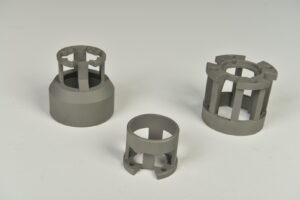
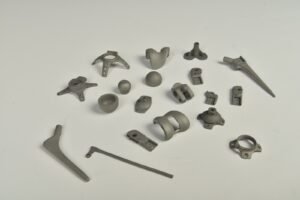
Precision Casting
We don’t just cast. Our goal is to achieve the optimal solution within the triangle of design, production method, and material selection for you. We are ready to collaborate to make our customers competitive through improvements in material selection, design, and production methods.
We carry out production in accordance with the quality standards specified by our customers and deliver products with material tests and measurement controls completed.
• Material Analyses
• Hardness Measurements
• Non-Destructive Testing
• Dimensional Controls
What is Precision Casting?
Precision Casting, also known as Ceramic Mold Casting or the Lost Wax Method, offers completely different advantages compared to traditional casting.
High dimensional accuracy, high surface quality, suitability for complex geometries, and the ability to cast all types of alloys are among the primary advantages.
Precision casting is a process carried out using liquid refractory materials, consisting of a series of steps. In this casting method, wax or plastic is pressed into a mold to form the desired shape, including draft tolerances. The models prepared in this manner are arranged in a cluster around a sprue. This cluster is coated with a thin layer of refractory material. The wax is melted and removed, and the thin refractory layer is sintered at approximately 1000°C. Molten metal is then poured into the resulting shell while it is still hot. Subsequently, the ceramic shell is broken to retrieve the cluster of castings, and any remaining ceramic material is cleaned off. The surface of the resulting part is much cleaner compared to other casting methods, often eliminating the need for further machining.
Applications of Precision Casting
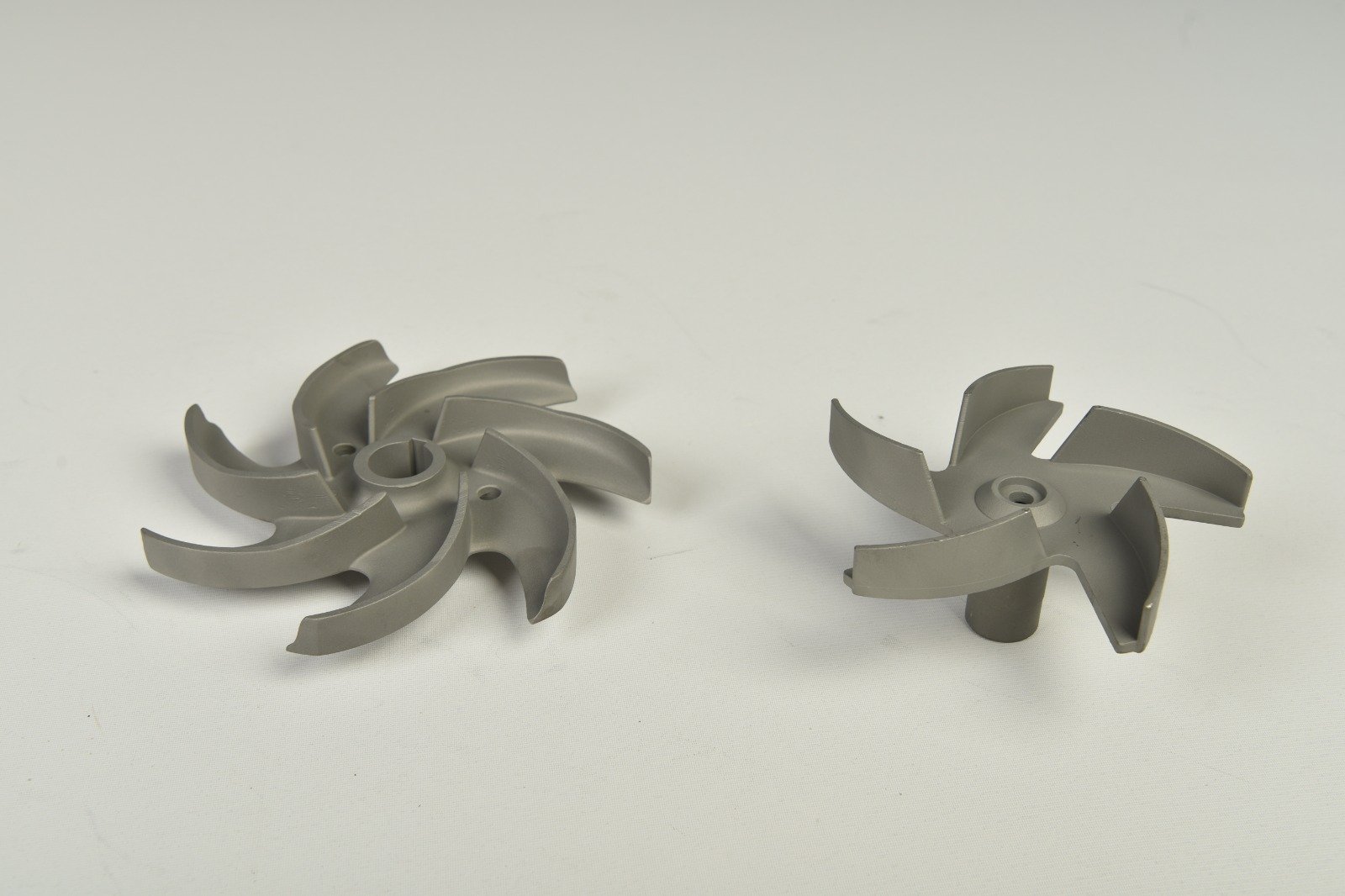
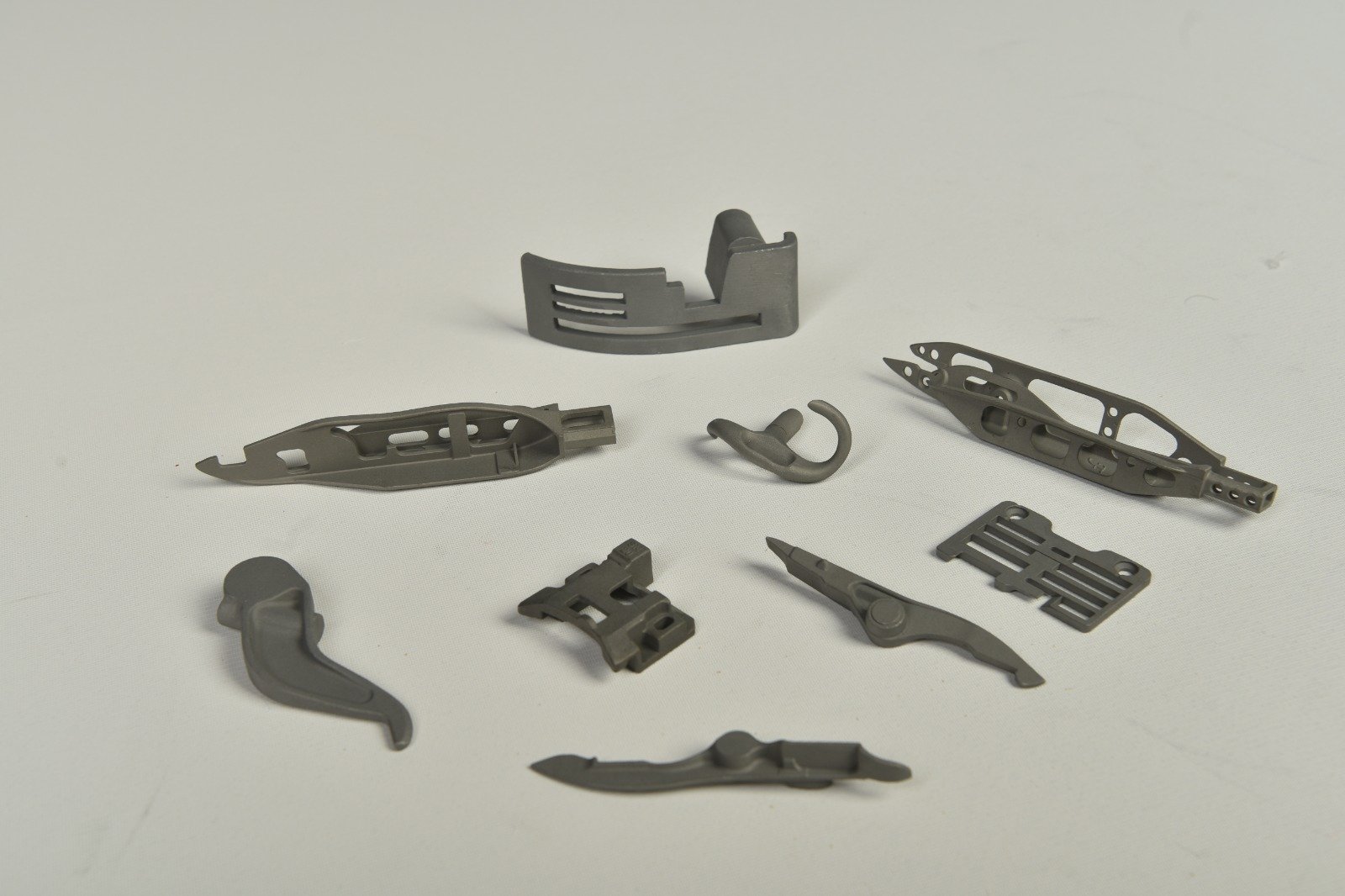
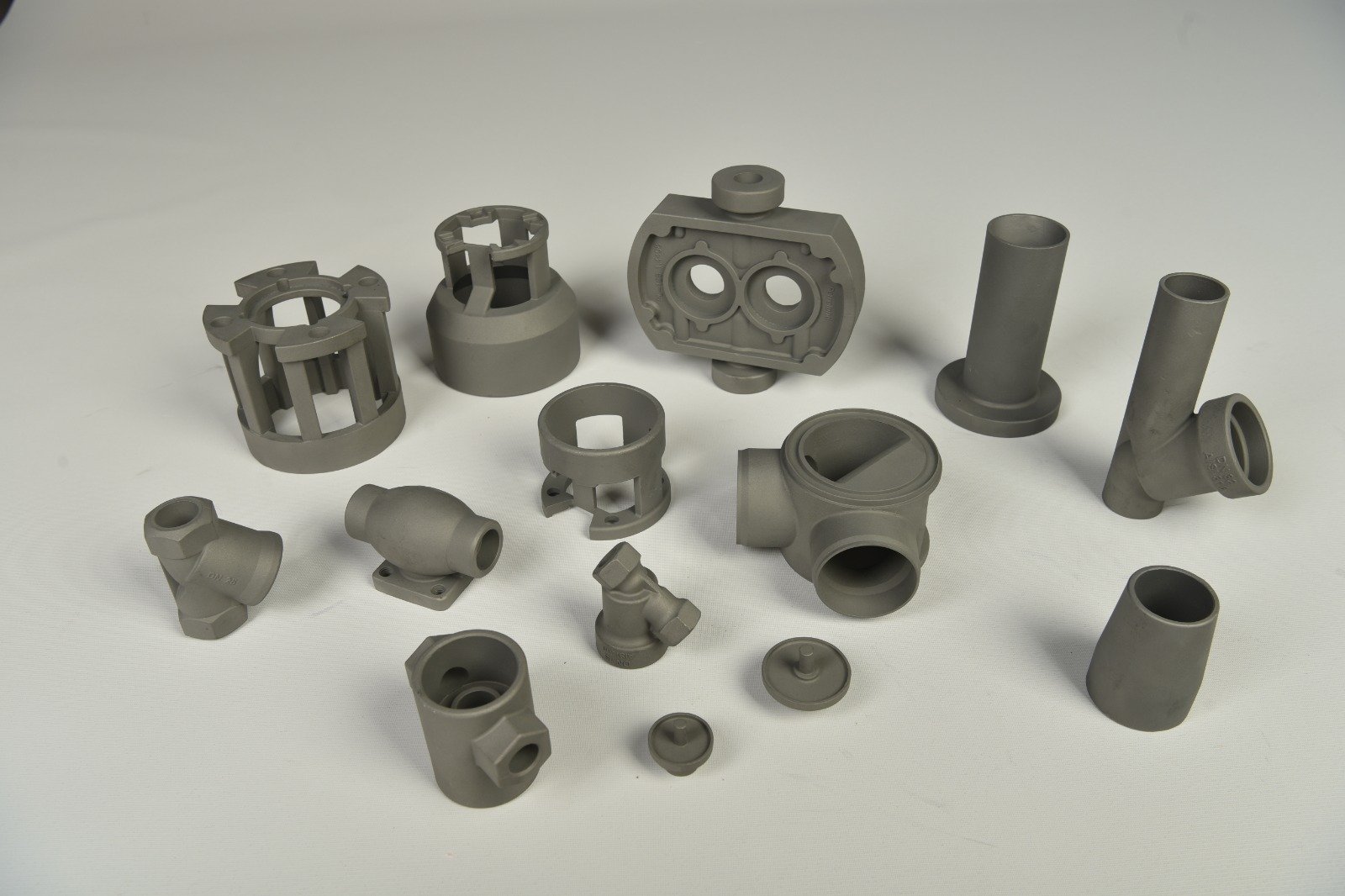
Precision Casting is highly suitable for the mass production of small-sized metal and alloy components. It is ideal for complex-shaped parts as it requires little or no subsequent machining or heat treatment. While Precision Casting is utilized in numerous applications, the most well-known include: firearm components, engine parts, pump and valve components, textile machinery parts, automotive parts, medical components, shipbuilding industry parts, HVAC products, boiler fin parts, construction and decoration components, gas turbine and jet engine blades, etc.